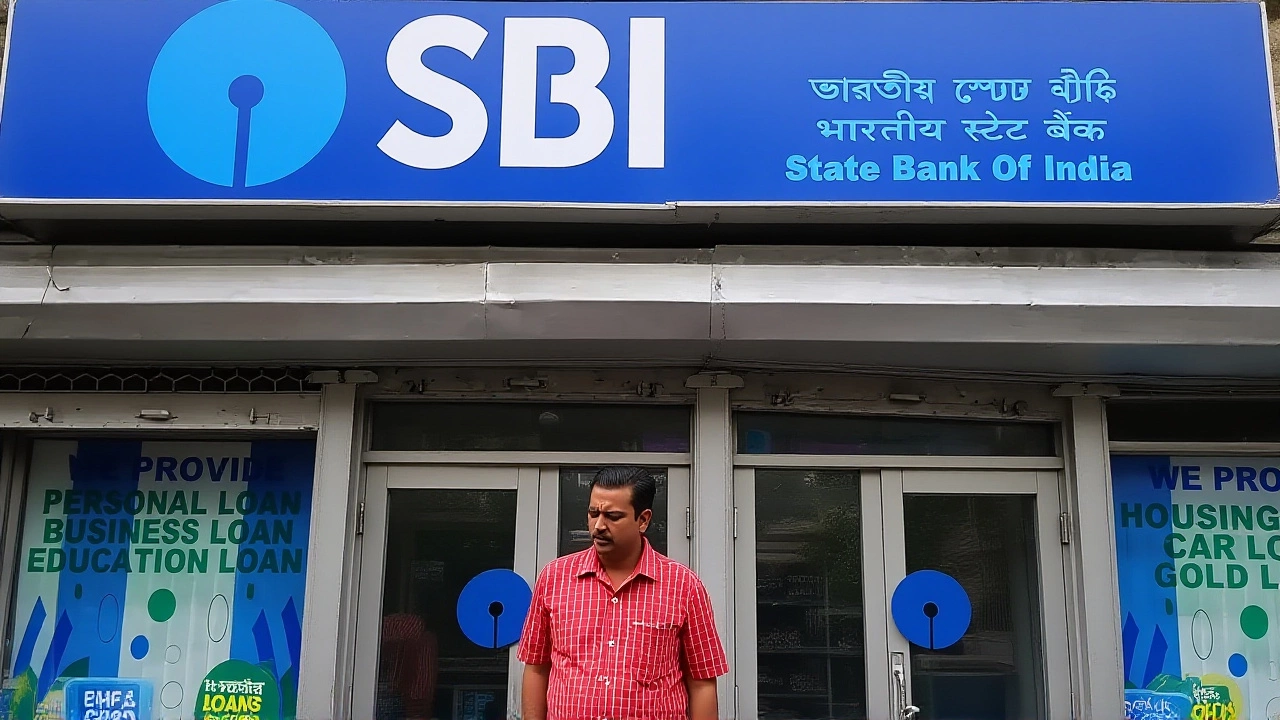
When State Bank of India dropped its recruitment notification on June 18, 2026, the reaction was immediate and electric. The nation’s largest public sector bank has opened applications for 1,500 Probationary Officer positions, signaling a massive hiring drive that could reshape career trajectories for thousands of graduates across India. For anyone who has spent late nights solving quantitative aptitude questions or memorizing banking regulations, this isn’t just another job posting—it’s a lifeline.
The application window is currently open, but here’s the catch: there’s some confusion about the deadline. While most reliable sources point to July 8, 2026, as the cutoff, others suggest it might stretch until July 18. If you’re planning to apply, don’t wait until the last hour. The digital infrastructure can get sluggish when millions of users log in simultaneously, and nobody wants their application rejected because of a server timeout.
Breaking Down the Numbers
The scale of this recruitment is hard to overstate. We’re talking about 1,500 vacancies spread across the country. But the distribution matters just as much as the total number. According to reports from NDTV Jobs, the breakdown looks like this:
- General Category: 588 posts
- Other Backward Classes (OBC): 390 posts
- Scheduled Castes (SC): 234 posts
- Scheduled Tribes (ST): 144 posts
- Economically Weaker Section (EWS): 144 posts
However, if you dig into detailed analysis videos circulating on YouTube, you’ll find a slightly different picture. Some analysts break down the 1,486 regular vacancies versus 54 backlog vacancies differently, suggesting 216 SC and 108 ST seats in the regular category. It’s a bit messy, but the key takeaway remains: every category has significant representation. The competition will be fierce, especially in the General and OBC categories where the applicant-to-seat ratio often exceeds 500:1.
Who Can Actually Apply?
You don’t need a specialized degree to throw your hat in the ring. A graduation degree from any recognized university is the baseline requirement. Yes, even if you studied fine arts or history. What matters is that you have completed your degree—or are in the final year/semester of it.
If you’re in your final year, you can apply, but keep this crucial detail in mind: you must provide proof of degree completion during the document verification stage. There’s no grace period after selection. If you haven’t graduated by the time they ask for papers, your offer gets withdrawn. Simple as that.
Age is another factor. You must be between 21 and 30 years old as of April 1, 2026. Relaxations apply for reserved categories—up to three years for OBC and five years for SC/ST candidates. This means an eligible SC candidate could technically be 35 years old and still qualify. Check your birth certificate; dates matter here.
The Cost of Entry
Applying isn’t free, but it’s affordable compared to private sector entrance exams. Candidates from the General, OBC, and EWS categories need to pay ₹750. That’s roughly $9 USD. For SC, ST, and Persons with Disabilities (PwD) candidates, the fee is waived entirely. It’s a small price to pay for a chance at a stable government career, though some argue even this amount excludes the poorest aspirants. Still, the barrier to entry is low enough that financial constraint shouldn’t stop qualified candidates.
Navigating the Selection Gauntlet
This isn’t a one-step process. You’re looking at a three-stage filter designed to weed out everyone except the top performers. First comes the Preliminary Examination, expected in August 2026. This is a screening test. Pass it, and you move on. Fail it, and you’re out. No partial credit, no second chances.
Those who clear prelims face the Main Examination in September 2026. This is where the real work happens. Descriptive writing, advanced reasoning, and deep domain knowledge are tested here. Finally, the shortlisted candidates undergo an interview and a Group Exercise. The group exercise is interesting—it’s not just about what you know, but how you collaborate under pressure. Can you lead? Can you listen? Banks hire people who fit into teams, not just lone wolves.
Why This Matters Now
In a broader context, this recruitment reflects the continued dominance of public sector banks in India’s financial landscape. Despite the rise of fintech startups and private banks, State Bank of India remains the backbone of rural and semi-urban banking. These 1,500 officers won’t just sit in Mumbai high-rises; many will be posted in remote districts, driving financial inclusion initiatives that directly impact millions of lives.
The salary package is attractive too. Starting basic pay is ₹48,480 per month. When you add allowances like Dearness Allowance (DA) and House Rent Allowance (HRA), the annual cost-to-company hovers around ₹21.97 lakh. That’s a comfortable middle-class income right out of college. Plus, there’s job security that the private sector rarely offers. However, come with a caveat: selected candidates must sign a service bond worth ₹2 lakh. Leave before the mandatory tenure ends, and you pay up. It’s a commitment, not a casual gig.
What’s Next for Aspirants?
Keep an eye on your email and the official SBI careers page. Admit cards for the prelims are likely to roll out in the second or third week of July 2026. Download them early. Verify your details. Print two copies. Don’t leave anything to chance.
If you’re serious about this, start revising now. The syllabus hasn’t changed drastically, but the difficulty level tends to creep up each year. Focus on speed in quantitative sections and accuracy in reasoning. And please, verify your application status online. One wrong digit in your registration number can cause headaches later.
Frequently Asked Questions
What is the exact last date to apply for SBI PO 2026?
There is slight variation in reported dates. Most credible sources, including NDTV Jobs and Sarkari Bihari, cite July 8, 2026, as the deadline for both application submission and fee payment. However, Money9 suggests it may extend to July 18, 2026. To be safe, aim to complete your application by July 7, 2026. Always check the official notification PDF for the definitive date.
Can final-year students apply for this recruitment?
Yes, final-year students are eligible to apply. However, you must produce proof of degree completion during the document verification stage post-selection. If you fail to graduate by the specified deadline, your candidature will be cancelled. There is no exception to this rule.
Is the Group Exercise part of the final selection?
According to recent reports from Money9, yes. The final stage includes both a personal interview and a Group Exercise. This assesses teamwork, communication skills, and leadership qualities alongside technical knowledge. Prepare for scenario-based discussions rather than just Q&A.
How much does the selected officer earn annually?
The starting basic salary is ₹48,480 per month. With various allowances like DA and HRA, the total annual cost-to-company is approximately ₹21.97 lakh. This figure can vary slightly based on location and specific bank policies, but it represents a robust compensation package for fresh graduates.
What is the service bond requirement?
Selected candidates must execute a service bond worth ₹2,00,000. This binds you to serve the bank for a minimum mandatory period. If you resign before completing this tenure, you are liable to repay the bond amount. Details regarding the exact duration are specified in the official appointment letter.