Politics in Uttar Pradesh moves fast, but rarely does a party pivot this sharply on such a sensitive cultural touchstone. The Samajwadi Party, long criticized for its stance on religious texts, has completely flipped its narrative around the Ramcharitmanas. Just months ago, the text was under fire from within the party; now, it’s being hailed as a “cultural constitution.”
The shift isn’t subtle. It comes just seven to eight months before the next state assembly elections, and it centers on Akhilesh Yadav, President of the Samajwadi Party. After a controversial incident involving police brutality in Lucknow, Yadav took to social media to praise the epic, calling it a "code of moral conduct." It’s a stark contrast to the rhetoric that dominated the recent Lok Sabha election cycle.
The Lucknow Incident That Sparked the Shift
Here’s the thing: political optics often hinge on single moments. In late 2024, during an encroachment removal drive in Lucknow, police clashed with a lawyer who was reportedly holding a copy of the Ramcharitmanas. Images of the injured lawyer, clutching the book, went viral.
The twist is how the opposition responded. Instead of condemning the text—as some SP leaders had done previously—the party leaned into it. Pooja Shukla, a senior Samajwadi Party leader, visited the injured lawyer in the hospital and gifted him a new copy of the book. Akhilesh Yadav posted photos of this meeting online, explicitly labeling the Ramcharitmanas as a form of “cultural constitution” and a guide for ethical living.
It was a calculated move. By associating the party with the protection of a devotee rather than the criticism of the text, Yadav attempted to wash away the negative perception built up over the last year.
From Controversy to Reconciliation
To understand why this matters, you have to look back at the 2024 general elections. During that campaign, several Samajwadi Party leaders, including Svami Prasad Maurya, argued that certain verses in the Ramcharitmanas were derogatory toward women, Dalits, and backward classes. Maurya even called for a ban on specific sections of the text.
That stance backfired. Critics accused the party of being anti-Hindu and disrespectful to Lord Rama. The backlash was severe, leading to internal disciplinary action. Two leaders, Roli Tiwari Mishra and Richa Singh, were expelled from the party for opposing Maurya’s views—a chaotic period that highlighted deep fractures within the SP’s ideological base.
Now, with the state elections looming, the party is trying to stitch those wounds closed. Akhilesh Yadav recently clarified that the party is not against Lord Rama or the text itself, but rather against political misuse of religion. It’s a delicate balancing act, aiming to retain the secular vote bank while appeasing conservative sentiments.
Opposition Reactions and Political Implications
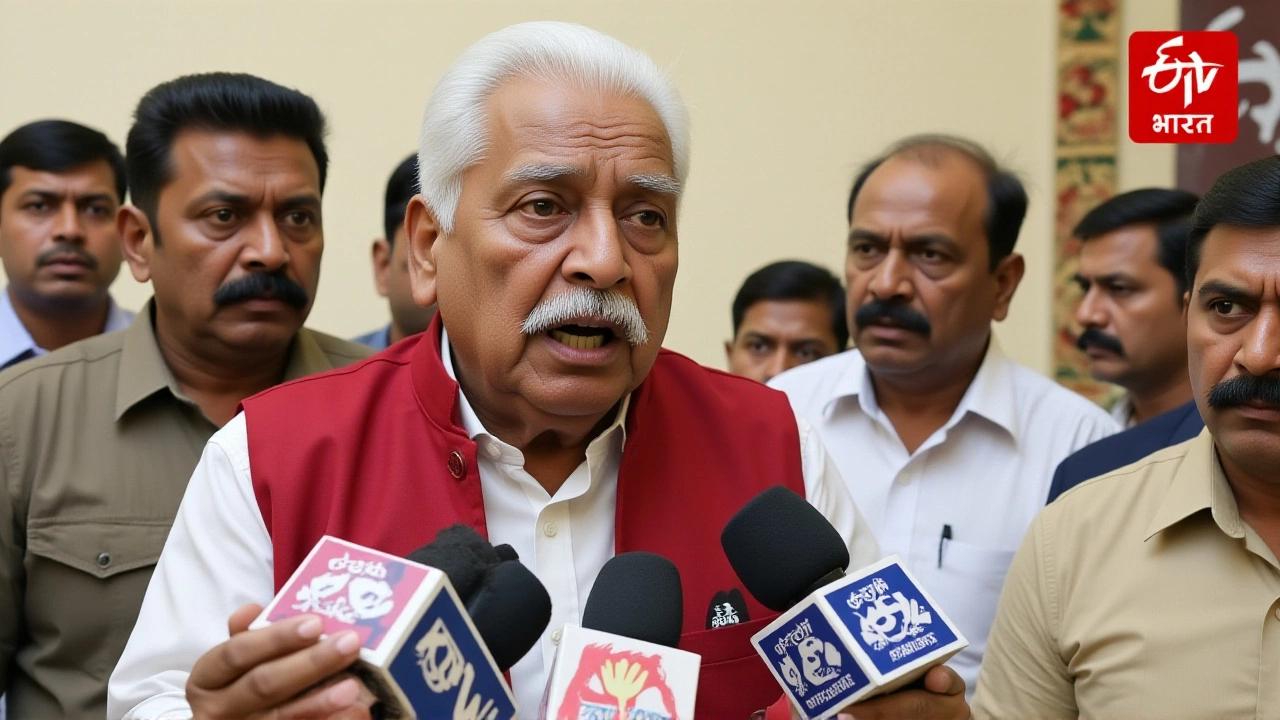
The political ripples are already spreading. Ajay Rai, a leader from the Indian National Congress, praised Yadav’s new statement. “Our lifestyle is embedded in this text,” Rai said, adding that politicizing religious issues is unwise. His endorsement suggests that other opposition parties might also be softening their stance on the issue to avoid alienating voters.
However, the ruling Bharatiya Janata Party (BJP) is quick to point out the hypocrisy. They argue that the SP’s sudden reverence for the Ramcharitmanas is purely electoral calculus. After all, just months earlier, the SP released an album comparing founder Mulayam Singh Yadav to Lord Rama, while simultaneously criticizing the very text that defines Rama’s life.
This duality—criticizing the text while using its symbolism—is what opponents are latching onto. The question remains: will voters see this as genuine reflection or opportunistic maneuvering?
What This Means for Uttar Pradesh Politics
The broader impact goes beyond one party. Religion and cultural symbols are becoming increasingly central to UP’s political discourse. With caste-based arithmetic no longer guaranteeing victories, parties are turning to cultural identity to mobilize support.
For the Samajwadi Party, this pivot is a survival strategy. If they can successfully rebrand the Ramcharitmanas debate as one about dignity and respect rather than theology, they may neutralize a major vulnerability. But if the public perceives it as insincere, the damage could be irreversible.
As we head into the next election cycle, watch for more symbolic gestures like this. In Uttar Pradesh, where every word is weighed and every image analyzed, the line between faith and politics is thinner than ever.
Frequently Asked Questions
Why did the Samajwadi Party change its stance on the Ramcharitmanas?
The shift appears driven by electoral strategy ahead of the Uttar Pradesh assembly elections. After facing backlash for previous criticisms of the text, Akhilesh Yadav sought to repair the party’s image among conservative voters by publicly praising the book as a 'cultural constitution' following a high-profile incident in Lucknow.
Who was involved in the Lucknow incident that triggered this response?
A lawyer was injured during a police encroachment removal drive in Lucknow. He was holding a copy of the Ramcharitmanas when the clash occurred. SP leader Pooja Shukla later visited him in the hospital and gifted him a new copy, an event highlighted by Akhilesh Yadav on social media.
What was the controversy surrounding Svami Prasad Maurya?
During the 2024 Lok Sabha elections, SP leader Svami Prasad Maurya claimed certain verses in the Ramcharitmanas were discriminatory against women and lower castes, calling for a ban on those sections. This sparked national outrage and led to internal party conflicts, resulting in the expulsion of two other leaders who opposed his views.
How did other political parties react to Akhilesh Yadav's new statement?
Congress leader Ajay Rai praised the statement, saying the text reflects Indian lifestyle and that politicizing religion is unwise. Meanwhile, the BJP criticized the move as hypocritical, pointing out the party's previous contradictory actions, including releasing propaganda comparing Mulayam Singh Yadav to Lord Rama while criticizing the same text.